
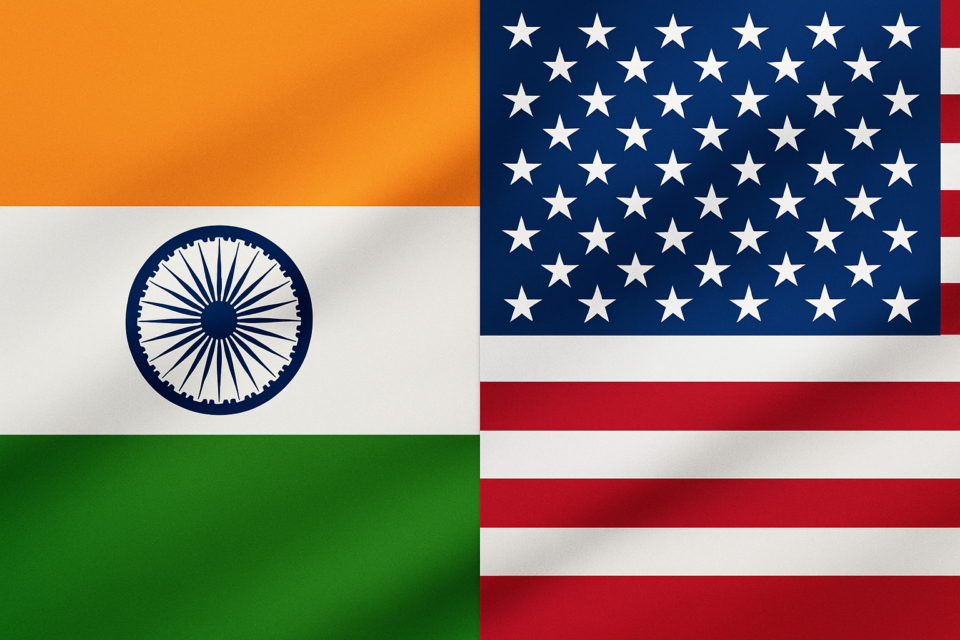
India’s global trade policies have once again come under the spotlight as the government moves to engage a second U.S. lobbying firm ahead of a significant 50% export tariff hike. This move signals India’s determination to safeguard its economic interests, manage bilateral trade challenges, and counter potential negative implications of higher U.S. tariffs on Indian exports. The decision reflects both the growing complexity of U.S.–India trade relations and the proactive steps New Delhi is taking to protect its exporters and industries that rely heavily on access to American markets.
In this article, we will analyze the context behind India’s hiring of an additional lobbying firm, the reasons driving this strategic move, the possible impact of the 50% tariff hike on Indian exporters, and the broader implications for India–U.S. relations and global trade.
Understanding the Context: U.S. Tariff Policy and India’s Position
The United States has long been India’s most significant export destination. From textiles, information technology, and engineering goods to agricultural commodities, Indian businesses rely heavily on U.S. markets for growth and profitability. However, recent developments in Washington, especially regarding protectionist trade policies, have created uncertainty.
The U.S. administration’s decision to consider or implement a 50% tariff hike on certain imported goods is a part of its broader agenda to protect domestic industries and reduce trade deficits. While such moves are politically popular in the U.S., they create serious challenges for countries like India, whose exporters face reduced competitiveness in the American market.
India has already been working with lobbying firms in Washington, D.C., to push back against measures that hurt its export-driven sectors. The decision to hire a second U.S. lobbying firm suggests that the government is doubling its efforts to ensure its voice is heard in policy corridors, legislative discussions, and administrative debates.
Why India Needs Lobbying in the U.S.
Lobbying is a well-established practice in the United States, where foreign governments, corporations, and interest groups engage firms to represent their case before lawmakers, regulatory bodies, and policymakers. For India, lobbying serves multiple purposes:
- Influencing Trade Policy Decisions – Lobbying firms can directly communicate India’s concerns to U.S. decision-makers, highlighting the risks of tariffs for American consumers and companies reliant on Indian goods.
- Strengthening Diplomatic Channels – While diplomacy operates at the governmental level, lobbying complements it by engaging think tanks, business associations, and industry representatives.
- Protecting Key Export Sectors – Sectors like pharmaceuticals, textiles, IT services, and agriculture stand to lose significantly if tariffs rise. Lobbying ensures sector-specific representation.
- Countering Competitors – Countries competing with India in the U.S. market, such as China, Vietnam, and Mexico, also engage in lobbying. India cannot afford to remain passive while competitors lobby aggressively.
The Tariff Hike: What It Means for India
The proposed 50% export tariff hike by the U.S. could have wide-ranging consequences for India’s economy. Some key impacts include:
1. Pressure on Export-Oriented Industries
Indian sectors that rely on the U.S. for a significant portion of their revenue could see reduced demand. For example, Indian textiles and garments, already under pressure from low-cost producers like Bangladesh and Vietnam, may become less attractive if tariffs increase prices for U.S. buyers.
2. Impact on Agriculture
India is a major exporter of rice, seafood, and spices to the U.S. Tariffs would increase costs for American importers and reduce India’s competitiveness against suppliers from other regions.
3. Pharmaceutical Industry Challenges
Generic drugs form one of India’s largest exports to the U.S. Higher tariffs could disrupt the pricing advantage Indian pharmaceutical companies enjoy, ultimately affecting affordability for American consumers as well.
4. Trade Balance and Foreign Exchange
India’s trade surplus with the U.S. could narrow, leading to reduced foreign exchange inflows. This could have ripple effects on India’s broader economic stability.
5. Job Losses and Domestic Impact
Export-driven industries employ millions of Indians. Reduced orders from the U.S. could impact jobs, particularly in small and medium enterprises that lack the capacity to diversify quickly.
Why a Second Lobbying Firm?
India’s engagement with a second lobbying firm highlights the urgency and seriousness of the situation. The reasoning can be understood in several ways:
- Specialized Expertise: Different lobbying firms specialize in different sectors or have closer ties to certain congressional committees. Hiring another firm allows India to expand its reach.
- Amplifying Influence: With tariffs being a politically sensitive topic in the U.S., having multiple voices advocating India’s case ensures broader coverage across stakeholders.
- Managing Complex Issues: Beyond tariffs, India faces issues related to intellectual property, labor standards, and digital trade. Multiple lobbying firms can divide and manage these concerns.
- Signaling Commitment: By engaging multiple firms, India signals to Washington that it takes the issue seriously and is willing to invest resources in protecting bilateral trade.
India–U.S. Trade Relations: A Balancing Act
India and the U.S. have a complex yet mutually beneficial trade relationship. The U.S. is one of India’s largest trading partners, while India is an important market for American companies in sectors such as defense, energy, and technology. However, tensions are not new:
- Generalized System of Preferences (GSP) Withdrawal: In 2019, the U.S. revoked India’s preferential trade benefits under GSP, affecting billions in exports.
- Tariffs and Counter-Tariffs: India and the U.S. have occasionally imposed retaliatory tariffs on each other, although both sides prefer negotiation to confrontation.
- Digital Trade Disputes: Issues related to data localization, digital services taxes, and e-commerce regulation have also strained ties.
Against this backdrop, India’s reliance on lobbying reflects a pragmatic approach to managing differences without letting them escalate into full-blown disputes.
Global Implications of the Tariff Hike
The U.S. decision to increase tariffs is not just about India—it reflects broader trends in global trade:
- Protectionism Rising – Countries worldwide are adopting protectionist measures to safeguard domestic industries.
- Supply Chain Shifts – Higher tariffs push companies to diversify supply chains, sometimes benefiting third countries.
- Pressure on Developing Economies – Developing nations like India face disproportionate challenges as they rely more on exports to developed markets.
- Multilateral Trade Tensions – Moves like these often spark disputes at the World Trade Organization (WTO), where India may seek redress.
India’s Counter-Strategy
While lobbying in the U.S. is one part of the plan, India is also likely to pursue other strategies:
- Diplomatic Engagement: High-level talks between Indian and U.S. trade officials to negotiate tariff relaxations or sector-specific exemptions.
- Diversifying Export Markets: Expanding trade with Europe, Southeast Asia, and Africa to reduce reliance on the U.S.
- Boosting Domestic Competitiveness: Encouraging industries to innovate, improve quality, and explore e-commerce exports.
- Leveraging Diaspora Influence: The Indian diaspora in the U.S., especially in politics and business, can play a critical role in soft lobbying.
Challenges Ahead
Despite these measures, India faces significant challenges:
- Political Climate in the U.S.: With elections approaching, tariffs may remain a popular political tool.
- Limited Bargaining Power: Unlike China, which has a massive trade volume with the U.S., India’s bargaining leverage is relatively smaller.
- Risk of Retaliation: If India responds with counter-tariffs, it could strain relations further.
- WTO’s Limited Effectiveness: Even if India challenges U.S. tariffs at the WTO, the process is lengthy and outcomes uncertain.
