
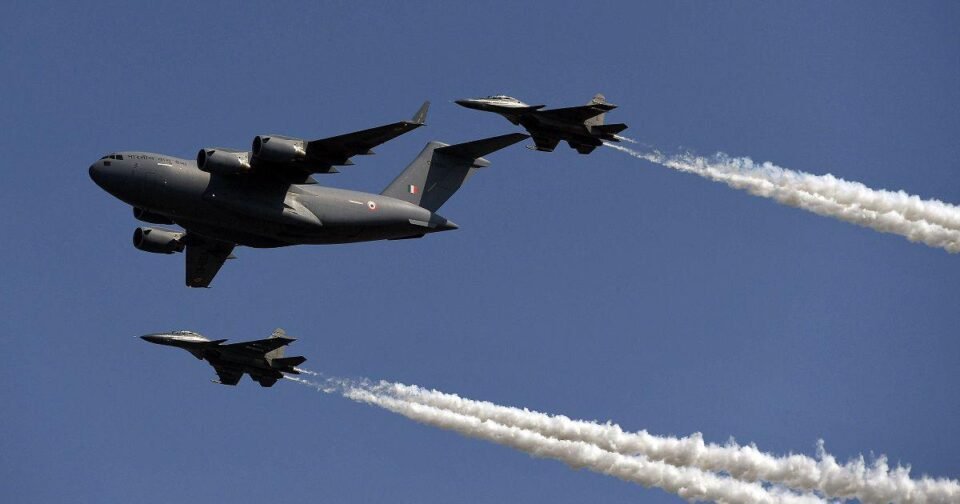
Pakistan Air Force Bombs Its Own Territory, 30 Dead After 8 Strikes
In one of the most shocking incidents in Pakistan’s recent history, the Pakistan Air Force (PAF) dropped bombs on its own territory during a military operation, killing at least 30 people and injuring many more. The strikes, carried out late at night, left behind scenes of destruction, with houses flattened and families torn apart.
What Happened?
According to officials, the PAF launched an air operation near the Pakistan–Afghanistan border, an area often used by militant groups. Fighter jets were sent out to destroy what intelligence agencies believed were militant hideouts.
But something went terribly wrong. Instead of hitting militant camps, the aircraft dropped eight bombs on a village inside Pakistan’s own territory.
Residents of the area described a terrifying night. “We heard the sound of planes above us and thought they were going across the border,” said one survivor. “Moments later, loud explosions shook the ground. When we looked outside, everything was burning.”
Civilian Casualties
The human cost is devastating. At least 30 people have been confirmed dead so far, including women and children. Dozens more are injured, many in critical condition.
Local hospitals quickly filled up with victims suffering from burns, fractures, and shrapnel wounds. Medical staff struggled to cope as families rushed in, carrying the wounded on carts and motorbikes.
Entire families have been wiped out, and survivors are now searching through rubble with bare hands to find loved ones. “I lost my two children and my home in one night,” said a father, fighting back tears.
Military Response
The Pakistan Air Force has admitted that the operation was conducted but has not provided full details about the mistake. The army’s media wing, ISPR, issued a short statement expressing “deep regret” for civilian deaths and confirmed that an inquiry is underway.
Analysts believe the tragedy could have been caused by faulty intelligence or a mistake in the targeting system. Critics say the PAF should never have authorized bombing without 100% certainty. “You cannot afford errors when civilian lives are at stake,” said one defense expert.
Anger and Outrage
The incident has sparked outrage across Pakistan. Opposition leaders are calling it an “unforgivable mistake” and demanding a full investigation. Protesters have gathered in some towns, chanting slogans like “Stop killing your own people” and “Justice for victims.”
In parliament, lawmakers have demanded answers from the government and military. Many are questioning how such a massive blunder could happen when lives of innocent civilians are involved.
Prime Minister Shehbaz Sharif has ordered an urgent report from the defense ministry and promised compensation for victims’ families. But critics argue that promises of compensation cannot replace lives and that real accountability is needed.
International Reactions
The tragedy has also drawn international attention. Human rights groups like Amnesty International and Human Rights Watch have condemned the bombing and called for an independent investigation.
Afghanistan’s government responded cautiously but noted that such “mistakes” show the dangers of using airstrikes in civilian-populated areas. Analysts fear this could further strain relations between Pakistan and Afghanistan, which are already tense over border issues.
Not the First Time
Sadly, this is not the first time civilians in Pakistan’s tribal regions have suffered during military operations. Past campaigns against militants, including Operation Zarb-e-Azb and Operation Radd-ul-Fasaad, also caused civilian casualties.
For years, locals in these areas have complained that they are caught between militants on one side and the military on the other. Many feel abandoned, saying their lives are treated as expendable in the fight against terrorism.
Demands for Change
Civil society activists and journalists are demanding a transparent investigation. They insist that those responsible for the error—whether intelligence officers, pilots, or commanders—must be held accountable.
“There is no excuse for dropping bombs on your own people,” said a human rights lawyer. “This is not collateral damage. This is negligence, and someone must answer for it.”
Critics also argue that Pakistan needs to rethink its reliance on airstrikes in civilian areas. Ground operations may be slower, but they reduce the risk of mass casualties.
What Happens Next?
Experts say the incident should be a wake-up call for Pakistan. To prevent such tragedies, several steps are needed:
- Better Intelligence: All targets must be cross-checked and verified before approving strikes.
- Civilian Safety First: Military planners must put protection of civilians above quick action.
- Independent Inquiry: The investigation should involve civilian authorities, not just the military.
- Support for Victims: Families who lost homes and relatives must be given immediate help, not just promises.
- Policy Reforms: Pakistan needs new guidelines for counterterrorism operations to prevent similar disasters.
A Nation in Mourning
The bombing has left Pakistan in mourning and disbelief. For the families who lost loved ones, no inquiry or compensation will ever heal their wounds. For the country, it is a painful reminder of the dangers of flawed intelligence and unchecked military power.
As Pakistan buries its dead, many are asking a haunting question: If the military cannot protect its own citizens from its own bombs, who will?
