
Samsung
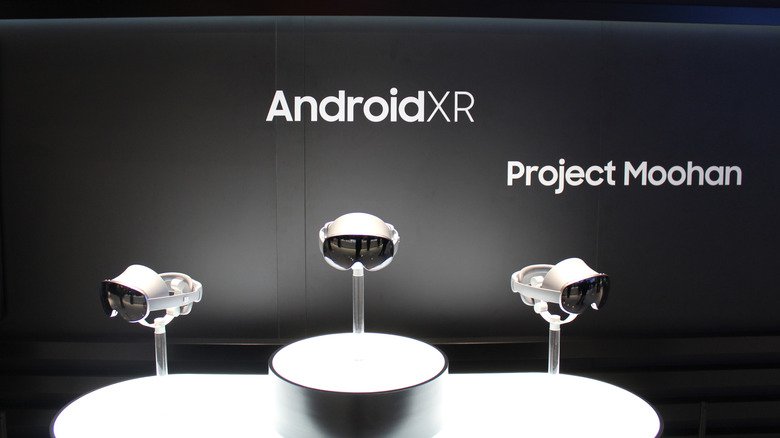
Samsung, one of the world’s leading tech giants, is reportedly preparing to step into the extended reality (XR) space with a brand-new Android XR headset. Rumors suggest that the official launch may happen on October 21, 2025, making it one of the most anticipated hardware reveals of the year.
The XR market is heating up quickly, with Apple Vision Pro, Meta Quest 3, and various enterprise solutions from Microsoft and HTC leading the way. Now, Samsung appears ready to bring its own Android-based XR device, in collaboration with Google and Qualcomm, to offer an immersive experience that blends virtual reality (VR), augmented reality (AR), and mixed reality (MR).
In this article, we’ll break down everything we know so far, what’s expected at the launch, how Samsung could differentiate itself, and why this launch might change the dynamics of the XR ecosystem.
What is XR and Why is Samsung Entering Now?
Understanding XR
Extended Reality (XR) is an umbrella term that covers VR, AR, and MR. Unlike pure VR, which immerses you in a digital world, XR combines real-world surroundings with digital overlays. For example:
- VR (Virtual Reality): Fully immersive experiences like gaming or 3D simulations.
- AR (Augmented Reality): Digital overlays on real-world objects, like AR navigation or live translations.
- MR (Mixed Reality): A blend of both worlds where virtual objects interact with physical environments.
Why Samsung Now?
Samsung has experimented with VR before through its Gear VR series, but the ecosystem wasn’t mature then. Fast forward to 2025, the XR market is expected to hit $100 billion by 2030, with strong demand in gaming, remote work, education, healthcare, and entertainment.
By entering now, Samsung is positioning itself as a serious player—especially with its strong display technology, mobile hardware, and ecosystem partnerships with Google and Qualcomm.
Rumored Launch Date: October 21
Leaks from supply chains and industry insiders suggest that Samsung is planning a special launch event on October 21, 2025. While the company hasn’t officially confirmed the date, tech analysts believe Samsung wants to position its XR headset just ahead of the holiday shopping season.
If true, the timing would be perfect to capture consumers looking at Apple Vision Pro alternatives and Meta’s Quest 3 updates.
What to Expect from Samsung’s XR Headset
1. Android XR Platform
Samsung’s headset will reportedly run on Google’s new Android XR platform, optimized for immersive devices. Unlike standard Android, Android XR will support:
- Spatial UI for gesture and eye tracking.
- Multitasking in 3D environments.
- XR-optimized Google apps like YouTube, Maps, and Chrome.
This would make Samsung’s device the first flagship XR headset powered by Android XR, giving it a strong advantage.
2. Qualcomm Snapdragon XR2+ Gen 2 Chipset
Reports suggest Samsung’s XR headset will be powered by the latest Qualcomm Snapdragon XR2+ Gen 2, specifically designed for immersive devices. This means:
- Better graphics rendering.
- Lower latency for smooth experiences.
- Longer battery life compared to earlier XR headsets.
3. Dual 4K OLED Microdisplays
Samsung is a global leader in display manufacturing, and it is expected to leverage its OLED technology for the headset. Rumors point toward dual 4K microdisplays with a 120Hz refresh rate for ultra-clear visuals and minimal motion sickness.
4. Lightweight and Ergonomic Design
Early reports suggest the device may weigh less than 500 grams, making it lighter than the Apple Vision Pro. Samsung is rumored to be focusing on comfort for long-term usage, with adjustable straps and a modular design.
5. Mixed Reality Capabilities
Like the Apple Vision Pro, Samsung’s XR headset is expected to include high-resolution passthrough cameras. This would allow users to switch seamlessly between VR and AR experiences, making it ideal for productivity, education, and entertainment.
6. Eye and Hand Tracking
Samsung is expected to introduce advanced eye-tracking sensors and hand-tracking gestures, reducing the reliance on external controllers. However, optional controllers might still be available for gaming.
7. Integration with Galaxy Ecosystem
The headset will likely connect deeply with Samsung’s Galaxy devices (smartphones, tablets, watches, and even TVs). Imagine receiving phone calls, accessing Samsung Health data, or streaming from your Galaxy S series smartphone directly into the XR headset.
8. Price Point Speculation
Pricing will be crucial. Analysts predict Samsung may launch the headset in the $1,000–$1,500 range, positioning it as a more affordable option than Apple Vision Pro ($3,499) but more premium than Meta Quest 3 ($499).
Comparison with Competitors
Samsung vs Apple Vision Pro
- Display: Samsung’s OLED vs Apple’s micro-OLED (both 4K-class).
- Price: Samsung expected to be nearly half of Apple’s.
- Ecosystem: Apple integrates with iOS/Mac; Samsung ties into Android and Galaxy devices.
Samsung vs Meta Quest 3
- Hardware: Samsung expected to be more powerful.
- Price: Meta still cheaper, appealing to mass-market gamers.
- Software: Samsung with Android XR may offer more productivity and enterprise use cases.
Potential Use Cases
1. Gaming
Samsung could collaborate with gaming studios to optimize AAA titles for Android XR, similar to PlayStation VR.
2. Education & Training
Immersive classrooms, medical training simulations, and industrial training could benefit from XR experiences.
3. Workplace Productivity
Imagine using multiple virtual screens, attending XR meetings, and collaborating in 3D workspaces.
4. Healthcare
AR-based surgeries, patient rehabilitation, and mental health therapies could be enabled by Samsung’s headset.
5. Social & Entertainment
Virtual concerts, 360-degree videos, and sports events could become more engaging through XR platforms.
Why This Launch Matters
Samsung entering the XR space with Android XR could reshape the market:
- For consumers: More affordable premium XR headset options.
- For developers: A new Android XR ecosystem to build immersive apps.
- For the industry: A competitive push against Apple and Meta, speeding up XR adoption worldwide.
Challenges Ahead
Despite the excitement, Samsung faces some hurdles:
- App Ecosystem – Success depends on how quickly developers adopt Android XR.
- Battery Life – Balancing high performance with long usage times will be tricky.
- Consumer Education – XR is still new to mainstream users, so Samsung will need strong marketing.
- Enterprise Adoption – Convincing businesses to integrate XR into workflows may take time.
Expert Opinions
Industry analysts believe Samsung has a real opportunity here. IDC reports project XR adoption to triple by 2030, and Samsung’s established position in smartphones, displays, and wearables gives it a unique edge.
However, experts caution that without compelling apps, games, and content partnerships, even the best hardware may struggle to gain traction.
